- +2541 351 100
- contact_us@hosp-xanthi.gr
- Εφημερεύει καθημερινά


Συνέδριο Θηλασμού
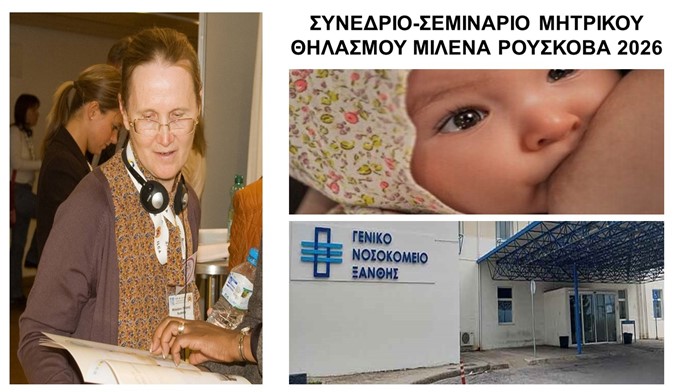
ΣΥΝΕΔΡΙΟ - ΣΕΜΙΝΑΡΙΟ ΜΗΤΡΙΚΟΥ ΘΗΛΑΣΜΟΥ ΜΙΛΕΝΑ ΡΟΥΖΚΟΒΑ 2026
ΔΙΟΡΓΑΝΩΣΗ ΓΕΝΙΚΟ ΝΟΣΟΚΟΜΕΙΟ ΞΑΝΘΗΣ 16-18 ΟΚΤΩΒΡΙΟY 2026
Τμήμα Μαιευτικής Διεθνούς Πανεπιστημίου Ελλάδας Σύλλογος Επιστημόνων Μαιών/Μαιευτών Εφετείου Κομοτηνής Υπό την αιγίδα του Ιατρικού Τμήματος του Δημοκριτείου Πανεπιστημίου Θράκης
Μοριοδότηση με 20,25 L-CERPs (Registry 326115Κ IBCLE).
Ελληνικά
English
Ελληνικά
Το Σεμινάριο μοριοδοτείται με 20,25 Μόρια Συνεχιζόμενης Εκπαίδευσης για τον Μητρικό Θηλασμό (L – CERPs) με βάση την 326115Κ απόφαση της Διεθνούς Επιτροπής Εξετάσεων των Συμβούλων Γαλουχίας (IBCLE). Θεματικές ενότητες που καλύπτονται από το σεμινάριο: Ανάπτυξη και Διατροφή, Φυσιολογία και Ενδοκρινολογία, Παθολογία, Φαρμακολογία και Τοξικολογία, Ψυχολογία, Κοινωνιολογία και Ανθρωπολογία, Τεχνικές Θηλασμού και Κλινικές Δεξιότητες.
Σημείωση: Το Σεμινάριο Μιλένα Ρούσκοβα 2026 έχει γίνει δεκτό από τη Διεθνή Επιτροπή Εξετάσεων των Συμβούλων Γαλουχίας (IBCLE) ως Προτιμώμενος Πάροχος προγράμματος χορήγησης μορίων Συνεχιζόμενης Εκπαίδευσης για τον Μητρικό Θηλασμό (CERPs). Η έγκριση των μορίων Συνεχιζόμενης Εκπαίδευσης δεν σημαίνει και εγγύηση της ποιότητας της εκπαίδευσης. Οι λογότυποι INTERNATIONAL BOARD OF LACTATION CONSULTANT EXAMINERS®, IBLCE®, INTERNATIONAL BOARD CERTIFIED LACTATION CONSULTANT®, and IBCLC® είναι κατατεθέντα σήματα της Διεθνούς Επιτροπής Εξεταστών.
English
The Breastfeeding Seminar Milena Rouskova 2026 has been accepted by International Board of Lactation Consultant Examiners® (IBLCE®) as a Preferred Provider for the listed Continuing Education Recognition Points (CERPs) programme. The CERPs Registry number is: 326115K– it is valid until October 15, 2027.
The number and category of CERPs to be awarded are: 20,25 L(Lactation).
Topics areas covered in the Detailed Content Outline (Effective 2023)
I. Development & Nutrition
II. Physiology & Endocrinology
III. Pathology
IV. Pharmacology & Toxicology
V. Psychology, Sociology & Anthropology
VI. Techniques
VII. Clinical Skills
Important note: “The Breastfeeding Seminar Milena Rouskova 2026 has been accepted by International Board of Lactation Consultant Examiners® (IBLCE®) as a Preferred Provider for the listed Continuing Education Recognition Points (CERPs) programme. Determination of CERPs eligibility or CERPs Provider status does not imply IBLCE®’s endorsement or assessment of education quality. INTERNATIONAL BOARD OF LACTATION CONSULTANT EXAMINERS®, IBLCE®, INTERNATIONAL BOARD CERTIFIED LACTATION CONSULTANT®, and IBCLC® are registered marks of the International Board of Lactation Consultant Examiners.”
Επιστημονικό Πρόγραμμα :
9.00 ΕΝΑΡΞΗ ΑΔΑΜΙΔΗΣ
9.15 -10.00 H ΑΡΧΗ ΕΙΝΑΙ ΠΑΝΤΑ ΤΟ ΗΜΙΣΥ ΤΟΥ ΠΑΝΤΟΣ: ΣΗΜΑΣΙΑ 1ης ΩΡΑΣ ΓΙΑ ΕΓΚΑΤΑΣΤΑΣΗ ΘΗΛΑΣΜΟΥ ΚΑΙ ΟΙΚΟΔΟΜΗΣΗ ΥΓΙΟΥΣ ΣΧΕΣΗΣ ΣΤΗΝ ΟΙΚΟΓΕΝΕΙΑ ΑΔΑΜΙΔΗΣ Δ.
10.00-11.00 ΣΥΛΛΗΨΗ-ΑΠΟΜΥΖΗΣΗ-ΚΑΤΑΠΟΣΗ-ΣΤΑΣΕΙΣ ΘΗΛΑΣΜΟΥ ΓΡΑΜΜΑΤΙΚΟΥ Κ.
11.00-11.30 ΠΩΣ ΠΑΡΑΓΕΤΑΙ ΤΟ ΜΗΤΡΙΚΟ ΓΑΛΑ: ΜΗΧΑΝΙΣΜΟΙ ΛΑΚΤΟΓΕΝΕΣΗΣ ΑΝΤΩΝΙΑΔΟΥ Ε.
11.30-11.50 ΔΙΑΛΕΙΜΜΑ ΚΑΦΕΣ
11.50-12.40 ΘΗΛΑΖΟΝΤΑΣ ΟΙΚΟΔΟΜΟΥΜΕ ΤΟ ΑΜΥΝΤΙΚΟ ΣΥΣΤΗΜΑ ΤΟΥ ΠΑΙΔΙΟΥ ΑΔΑΜΙΔΗΣ Δ.
12.40-13.10 ΠΩΣ Ο ΜΗΤΡΙΚΟΣ ΘΗΛΑΣΜΟΣ ΕΠΙΔΡΑ ΣΤΟ DNA: ΕΠΙΓΕΝΕΤΙΚΗ ΔΡΑΣΗ ΤΟΥ ΜΗΤΡΙΚΟΥ ΘΗΛΑΣΜΟΥ ΓΙΟΒΑΝΟΓΛΟΥ Μ.
13.10–13.40 ΘΗΛΑΣΜΟΣ ΜΕ ΧΡΟΝΟΜΕΤΡΟ; ΣΗΜΕΙΑ ΠΕΙΝΑΣ ΝΕΟΓΝΟΥ ΠΑΠΑΔΟΠΟΥΛΟΥ Ε.
13.40-14.10 ΣΠΑΣΤΕ ΤΑ ΔΕΣΜΑ ΤΩΝ ΑΡΙΘΜΩΝ: ΕΚΤΙΜΗΣΗ ΕΠΑΡΚΕΙΑΣ ΜΗΤΡΙΚΟΥ ΘΗΛΑΣΜΟΥ ΠΑΣΧΑΛΙΔΟΥ Α.
14.10-14.50 ΕΛΑΦΡΥ ΓΕΥΜΑ
14.50- 15.40 Εργαλεία αξιολόγησης θηλαστικής συμπεριφοράς και επιτυχούς θηλασμοΥ ΓΡΑΜΜΑΤΙΚΟΥ Κ.
15.40-16.30 Ο ΜΗΤΡΙΚΟΣ ΘΗΛΑΣΜΟΣ ΠΡΟΓΡΑΜΜΑΤΙΖΕΙ ΔΙΑ ΒΙΟΥ ΤΟΝ ΜΕΤΑΒΟΛΙΣΜΟ ΤΟΥ ΠΑΙΔΙΟΥ ΑΔΑΜΙΔΗΣ Δ.
16.30-17.00 Προωρότητα και Μητρικός Θηλασμός: Μέθοδοι yποστήριξης της γαλουχίας στις μητέρες πρόωρων νεογνών. ΚΟΥΚΟΥ Ζ.
17.00-17.30 ΔΙΑΛΕΙΜΜΑ ΚΑΦΕΣ
17.30-18.15 ΜΕΙΩΜΕΝΗ ΠΑΡΑΓΩΓΗ ΠΡΩΤΟΓΑΛΑΚΤΟΣ; ΥΠΑΡΧΕΙ ΤΡΟΠΟΣ ΑΝΤΙΜΕΤΩΠΙΣΗΣ! ΓΡΑΜΜΑΤΙΚΟΥ Κ.
18.15-19.10 ΤΕΛΕΤΗ ΕΝΑΡΞΗΣ ΧΑΙΡΕΤΙΣΜΟΙ
19.10-20.00 προβολη εκπaιδευτικου βιντεο: ΟΠΤΙΚΟΣ ΟΔΗΓΟΣ ΜΗΤΡΙΚΟΥ ΘΗΛΑΣΜΟΥ ΤΟΥJACK NEWMAN. ΣΧΟΛΙΑΣΜΟΣ: ΑΔΑΜΙΔΗΣ Δ.
=============================================================================================================
9.15 -10.00 The importance of the 1st hour postpartum for establishing breastfeeding and building a healthy relationship among family members. Adamidis Dimitrios
A systematic review including a video presentation of (i) the factors enhancing oxytocin release immediately after birth, (ii) the effects of oxytocin to the breast and (iii) the lifelong mental and physical connection between mother and newborn. Normal glucose and ketones levels during breastfeeding.
10.00-11.00 Signs of Effective Latch-On Signs of Effective Sucking and Swallowing Breastfeeding Positions. Grammatikou Konstantina
Evidence-based strategies that support the optimal initiation and establishment of breastfeeding immediately after birth. Recognition of signs of effective latch and nutritive sucking, together with appropriate breastfeeding positioning and attachment techniques.
11.00-11.30 Lactogenesis mechanisms. Antoniadou Elpida
A comprehensive overview of the physiological mechanisms underlying lactogenesis, with emphasis on the cellular, molecular, and hormonal processes involved in breast milk synthesis, secretion, and regulation.
11.50-12.40 Breastfeeding builds a healthy immune system for the child. Adamidis Dimitrios
An extensive presentation about (i) local defensive factors provided by breast milk (ii) systematic defensive immune system without immunological memory provided by antibodies passing through breast milk and (iii) systematic defensive immune system with immunological memory provided by human milk oligosaccharides
12.40-13.10 Epigenetic effect of breastfeeding on infants’ DNA. Giovanoglou Maria
Epigenetic mechanisms of breast milk on infants’ DNA through methylation, acetylation, phosphorylation, histones and mRNA. The importance of microRNA and stem cells of breast milk.
13.10–13.40 Time is of no consequence in breastfeeding, recognizing hunger cues of the neonates. Papadopoulou Evangelia
A structured overview of neonatal behavioral states and associated hunger cues emphasizing on best practices for initiating breastfeeding at the optimal time.
13.40-14.10 Get rid of the numbers (grams of milk, daily weight gain etc.): how to estimate the adequacy of breastfeeding. Paschalidou Alexia
A critical approach to evaluating the adequacy of breastfeeding, emphasizing that an excessive preoccupation with numerical data (weight, frequency, volume) can be misleading. It highlights the limitations of quantitative measurements, such as weighing errors, as well as the impact of maternal intravenous fluid administration during labor
14.50- 15.40 Assessment of Breastfeeding Behavior Tools for the Assessment of Breastfeeding Behavior and Effective Breastfeeding Sensory Processing Disorder and Breastfeeding. Grammatikou Konstantina
A comprehensive assessment of both maternal and neonatal status, including perinatal history, gestational age, evaluation of neonatal physiology, and assessment of infant breastfeeding behavior. Breastfeeding encompasses a complex sequence of behaviors that can be described, assessed, and measured. Quantitative scales are currently used to evaluate the overall breastfeeding process.
15.40-16.30 Metabolism lifelong programming through breastfeeding. Adamidis Dimitrios
A presentation describing the ingredients of human milk and their effects on lifelong programming of metabolism.
16.30-17.00 PREMATURENESS AND BREASTFEEDING: METHODS OF SUPPORTING BREASTFEEDING IN MOTHERS OF PREMATURE INFANTS. Koukou Zoi
Prematurity complicates breastfeeding, although human milk improves outcomes for preterm infants. Mothers of premature newborns often face difficulties in establishing and maintaining adequate lactation due to maternal stress, infant hospitalization in Neonatal Intensive Care Units (NICUs), delayed skin-to-skin contact, and separation from the infant. Effective support includes early milk expression, kangaroo care, counseling, psychological support, and multidisciplinary collaboration within NICUs. Additionally, the contribution of donor human milk banks is discussed.
17.30-18.15 Assessment and Management of Delayed Lactogenesis: The Role of Neonatal Stool Patterns as Clinical Indicators. Grammatikou Konstantina
Delayed onset of lactation (DOL) may be influenced by maternal, infant, and birth-related factors, including intrapartum practices that may affect early lactogenesis. This presentation includes the physiology of lactation and the mechanisms regulating milk synthesis and transfer, recognition of early warning signs, combined with evidence-based interventions.
19.10-20.00 Jack Newman’s breastfeeding visual guide (educational video). Comments: Adamidis Dimitrios
9.00-9.30 ΟΡΘΗ ΧΡΗΣΗ ΨΕΥΔΟΘΗΛΩΝ ΚΑΙ ΧΟΑΝΩΝ ΣΤΟ ΘΗΛΑΣΜΟ ΚΑΙ ΤΗΝ ΑΝΤΛΗΣΗ ΓΡΑΜΜΑΤΙΚΟΥ Κ.
9.30-10.15 ΒΛΑΒΕΣ ΣΤΗΝ ΥΓΕΙΑ ΤΟΥ ΠΑΙΔΙΟΥ ΠΟΥ ΠΡΟΚΑΛΟΥΝΤΑΙ ΑΠΟ ΤΗ ΧΡΗΣΗ ΥΠΟΚΑΤΑΣΤΑΤΩΝ ΜΗΤΡΙΚΟΥ ΓΑΛΑΚΤΟΣ ΠΑΠΑΝΙΚΟΛΑΟΥ Μ.
10.15-11.00 Ο ΡΟΛΟΣ ΤΟΥ ΜΗΤΡΙΚΟΥ ΘΗΛΑΣΜΟΥ ΣΤΗΝ ΠΡΟΛΗΨΗ ΤΩΝ ΑΛΛΕΡΓΙΩΝ ΚΑΣΙΜΟΣ Δ.
11.00-11.30 ΠΡΟΒΛΗΜΑΤΑ ΘΗΛΑΣΜΟΥ ΣΕ ΣΧΕΣΗ ΜΕ ΤΟ ΒΡΕΦΟΣ ΧΑΤΖΗΜΙΧΑΗΛ Κ.
11.30-11.50 ΔΙΑΛΕΙΜΜΑ ΚΑΦΕΣ
11.50-12.20 Μητρικός θηλασμός και Παχυσαρκία: προκλήσεις και στρατηγικές υποστήριξης ΤΑΟΥΣΑΝΗ Ε.
12.20-12.40 ΑΤΟΜΙΚΗ ΤΡΑΠΕΖΑ ΜΗΤΡΙΚΟΥ ΓΑΛΑΚΤΟΣ ΓΚΑΓΚΑΛΙΔΟΥ Α.
12.40-13.10 ΚΙΝΔΥΝΟΙ ΓΙΑ ΤΗ ΜΗΤΕΡΑ ΑΠΟ ΤΟ ΜΗ ΘΗΛΑΣΜΟ ΑΝΤΩΝΙΟΥ Σ.
13.10-14.00 ΠΡΑΚΤΙΚΗ ΑΣΚΗΣΗ ΜΕ ΒΙΩΜΑΤΙΚΑ ΒΙΝΤΕΟ ΑΔΑΜΙΔΗΣ Δ.-ΓΡΑΜΜΑΤΙΚΟΥ Κ.
14.00-15.00 ΕΛΑΦΡΥ ΓΕΥΜΑ
15.00-16.00 ΠΡΑΚΤΙΚΗ ΑΣΚΗΣΗ ΜΕ ΒΙΩΜΑΤΙΚΑ ΣΕΝΑΡΙΑ ΓΡΑΜΜΑΤΙΚΟΥ Κ., ΠΑΠΑΚΗ Ι. , ΑΔΑΜΙΔΗΣ Δ.
16.00 -16.30 Η ΣΥΓΚΡΙΤΙΚΗ ΠΡΩΤΕΟΜΙΚΗ ΧΑΡΤΟΓΡΑΦΗΣΗ ΤΩΝ ΕΞΩΣΩΜΑΤΩΝ ΤΟΥ ΓΑΛΑΚΤΟΣ ΑΝΑΔΕΙΚΝΥΕΙ ΤΙΣ ΕΙΔΙΚΕΣ ΑΝΑ ΕΙΔΟΣ ΜΟΡΙΑΚΕΣ ΥΠΟΓΡΑΦΕΣ ΜΕΤΑΞΥ ΤΟΥ ΑΝΘΡΩΠΟΥ, ΤΗΣ ΑΓΕΛΑΔΑΣ ΚΑΙ ΤΗΣ ΚΑΤΣΙΚΑΣ. ΑΝΑΣΤΑΣΙΑΔΗ Χ.
16.30-17.00 ΕΝΔΟΚΡΙΝΙΚΕΣ ΠΑΘΗΣΕΙΣ ΚΑΙ ΘΗΛΑΣΜΟΣ ΤΡΟΥΒΑ Θ.
17.00-17.20 ΔΙΑΛΕΙΜΑ ΚΑΦΕΣ
17.20-17.50 ΤΡΑΥΜΑΤΙΚΗ ΕΜΠΕΙΡΙΑ ΤΟΚΕΤΟΥ ΚΑΙ ΘΗΛΑΣΜΟΣ ΒΑΡΕΛΑ Π.
===========================================================================================
9.00-9.30 Clinical Considerations in the Appropriate Use of Nipple Shields and Breast Pump Flange. Grammatikou Konstantina
This presentation explores clinical indications, fitting considerations, potential risks and benefits, and best practices for the use of nipple shields and breast pump flanges within lactation care.
9.30-10.15 The use of formula and the consequences on children’s health. Papanikolaou Maria
A systematic review of studies supporting increased infant mortality between non-breastfed babies, increased number of infections, lower IQ index, epilepsy or behavior problems later in life, obesity, asthma and lower cardiorespiratory endurance and increased morbidity and mortality in adolescence. There is also a risk of wrong preparation of the milk and sterilization of the bottle.
10.15-11.00 The role of breastfeeding in preventing allergies. Cassimos Dimitrios
Allergy is linked to time of exposure to allergens in relation to immune system’s development. Food antigens in human milk are negligible in comparison to infant formula. Neonates are unable to process antigens, but the antigens offered by breastfeeding are already processed. Human milk supports infant immunity and may promote tolerance development, reducing allergic manifestations such as asthma, wheeze, and atopic dermatitis. Exclusive breastfeeding for at least four months appears particularly protective in high-risk infants.
11.00-11.30 Breastfeeding problems due to conditions affecting the infant. Chatzimichail Kyriakoula
Infant conditions such as prematurity, jaundice, hypoglycemia, anatomical abnormalities, and neurological disorders can impair breastfeeding. Early recognition, individualized support, multidisciplinary care, and strong mother–infant bonding are essential for successful breastfeeding outcomes.
11.50-12.20 Breastfeeding and Obesity: Challenges and Support Strategies. Taousani Eleftheria
Considering the increasing prevalence of overweight and obesity worldwide and the known benefits of breastfeeding, particularly in reducing the long-term risks of obesity and diabetes mellitus in offspring, its promotion in overweight or obese women is of paramount importance. Obesity can affect the physiology of lactation and together with other limiting psychosocial factors and practical difficulties can pose a challenge for the breastfeeding mother.
12.20-12.40 Individual breast milk bank. Gagalidou Andriani
This paper examines the individual breast milk bank as an organized and safe process for collecting, preserving, and using expressed breast milk. It highlights its contribution to neonatal nutrition and protection, while emphasizing hygiene, proper storage, and professional guidance of the mother in daily clinical practice and safe newborn care.
12.40-13.10 Mother health risks due to the use of formula. Antoniou Stamatia
In this lecture statistical findings are presented that prove: not breastfeeding is associated with increased risks for the mother including higher incidences of breast and ovarian cancer, type 2 diabetes, hypertension, cardiovascular disease as well as obesity and osteoporosis. It is also linked to retained gestational weight gain, metabolic syndrome, rheumatoid arthritis and higher risk of postpartum depression.
13.10-14.00 Practical training of participants with the use of experiential videos. Adamidis Dimitrios- Grammatikou Konstantina
Find possible mistakes: videos with breast pumping, false weight loss, breastfeeding with timer, staff behavior etc.
15.00-16.00 Practical exercise of participants with real-life scenarios. Grammatikou Konstantina, Papaki Ioanna, Adamidis Dimitrios
Real breastfeeding cases are given to small groups of participants and they are asked to handle the situation effectively
16.00 -16.30 Comparative Proteomic Profiling of Milk-Derived Exosomes Reveals Species-Specific Functional Signatures in Human, Cow, and Goat Milk. Anastasiadi Christina
The present study investigates the exosomal proteome of mature mammalian milk, aiming to compare the molecular and functional profiles of human, cow, and goat milk-derived exosomes.
16.30-17.00 Breastfeeding in case of endocrine pathology Trouva Theoni – Ioanna
Breastfeeding may have a positive effect on glucose metabolism and insulin sensitivity, which may reduce the risk of developing diabetes following gestational diabetes mellitus (GDM). Thyroid issues often cause difficulty with milk supply and with milk removal.
17.20-17.50 Traumatic Childbirth Experience and Breastfeeding. Varela Pinelopi
A traumatic childbirth experience can negatively affect the mother’s mental state, which may also affect breastfeeding, even though it is a natural process. Appropriate support, information, and psychological care from health professionals regarding breastfeeding can help the mother process the birth experience, strengthen her self-confidence, and foster a more positive relationship with the child and the breastfeeding process.
8.30-10.00 ΠΡΑΚΤΙΚΗ ΑΣΚΗΣΗ ΜΕ ΒΙΩΜΑΤΙΚΑ ΣΕΝΑΡΙΑ ΓΡΑΜΜΑΤΙΚΟΥ Κ., ΠΑΠΑΚΗ Ι., ΑΔΑΜΙΔΗΣ Δ.
10.00-10.45 ΠΑΡΕΜΒΑΣΕΙΣ ΚΑΙ ΦΑΡΜΑΚΑ ΠΟΥ ΕΠΗΡΕΑΖΟΥΝ ΤΟΝ ΜΗΤΡΙΚΟ ΘΗΛΑΣΜΟ ΠΑΠΑΚΗ Ι.
10.45-11.15 ΘΗΛΑΖΟΥΣΑ ΜΗΤΕΡΑ ΚΑΙ ΣΕΞΟΥΑΛΙΚΗ ΣΥΝΤΡΟΦΟΣ ΡΟΛΟΙ ΑΠΟΛΥΤΑ ΣΥΜΒΑΤΟΙ; ΨΑΘΑ Α.
11.15-11.45 ΜΗΤΡΙΚΟΣ ΘΗΛΑΣΜΟΣ ΣΕ ΠΑΙΔΙΑ ΜΕ ΚΑΡΔΙΟΠΑΘΕΙΑ ΝΕΤΣΚΟΣ Δ.
11.45-12.00 ΔΙΑΛΕΙΜΑ ΚΑΦΕΣ
12.00-12.30 ΣΩΣΤΗ ΔΙΑΤΡΟΦΗ ΓΙΑ ΤΗ ΘΗΛΑΖΟΥΣΑ ΚΥΡΜΙΤΣΗ Μ.
12.30-13.00 ΕΙΣΑΓΩΓΗ ΣΤΕΡΕΩΝ ΤΡΟΦΩΝ ΚΑΘΟΔΗΓΟΥΜΕΝΗ ΑΠΟ ΤΟ ΒΡΕΦΟΣ: ΠΟΤΕ ΚΑΙ ΠΩΣ ΚΕΜΟΣ ΣΤ.
13.00-13.20 ΔΟΜΗΣΗ ΚΑΙ ΟΡΓΑΝΩΣΗ ΟΔΗΓΟΥ ΘΗΛΑΣΜΟΥ ΘΕΟΔΩΡΙΔΟΥ Α.
13.20-13.35 ΣΥΣΧΕΤΙΣΗ ΜΕΤΑΞΥ ΜΗΤΡΙΚΟΥ ΘΗΛΑΣΜΟΥ ΚΑΙ ΤΕΡΗΔΟΝΑΣ ΣΤΗΝ ΠΡΩΤΗ ΠΑΙΔΙΚΗ ΗΛΙΚΙΑ ΑΘΑΝΑΣΙΟΥ Α.
13.35-14.30 ΑΞΙΟΛΟΓΗΣΗ
Υπάρχει η δυνατότητα να παρουσιαστούν εργασίες με την μορφή της γραπτής ανακοίνωσης σε 1 φύλο Α4 (μέγιστο 2 δακτυλογραφημένες σελίδες σε Arial 14) που κατά την εγγραφή θα μοιραστούν στους συνέδρους.
====================================================================
8.30-10.00 Practical exercise of participants with real-life scenarios. Grammatikou Konstantina, Papaki Ioanna, Adamidis Dimitrios
Real breastfeeding cases are given to small groups of participants and they are asked to handle the situation effectively
10.00-10.45 Medical interventions and medication affecting successful breastfeeding. Papaki Ioanna
The mode of delivery and obstetric interventions are key factors influencing the initiation and duration of breastfeeding. Physiological childbirth with minimal, evidence-based interventions supports the natural secretion of hormones such as oxytocin and prolactin, which are essential for lactation. In contrast, interventions including labor induction, anesthesia, and cesarean section may negatively affect neonatal alertness and breastfeeding reflexes.
10.45-11.15 Lactating mother and sexual partner: two roles completely compatible? Psatha Aikaterini
Lactation and sexual activity are completely compatible. Many sexual problems during lactation are attributed to hormonal changes due to delivery, lack of free time and exhaustion caused by constant child care, and not to the lactation itself.
11.15-11.45 Breastfeeding in children with congenital heart disease. Netskos Dimitrios
Newborns with congenital heart disease (CHD) are at increased risk of feeding difficulties, as well as reduced gastrointestinal perfusion and absorption. Combined with their increased metabolic needs, these issues arise both from difficulties in achieving effective sucking and in consuming an adequate amount of milk due to poor oxygenation. Human milk and breastfeeding are life-saving therapeutic interventions. In the absence of proper nursing care and consulting, mothers are at risk of low milk supply and reduced breastfeeding rates.
12.00-12.30 Healthy nutrition promoting breastfeeding. Kyrmitsi Maria
The principles of a healthy diet during lactation are similar to those for other adults and children. This presentation debunks myths about foods breastfeeding mothers should avoid. Essential nutrients are discussed extensively.
12.30-13.00 Baby led weaning: introducing solids. Kemos Stefanos
Complementary feeding represents a critical stage in infant nutrition and development, the optimal timing, composition, and method of introducing solid foods are discussed. Exclusive breastfeeding until approximately six months of age is generally sufficient. Complementary feeding should ultimately be individualized, developmentally appropriate, and integrated within a supportive family-centered nutritional environment. This method is also known as baby led weaning.
13.00-13.20 Design and Organization of a Breastfeeding Guide. Theodoridou Anatoli
This presentation focuses on the design and organization of a breastfeeding guide aimed at supporting healthcare professionals and new mothers with evidence-based information and practical recommendations. It highlights the importance of clear structure, accessibility, and educational content in promoting successful breastfeeding practices and maternal–infant health.
13.20-13.35 Association between breastfeeding and early childhood caries Athanasiou Angeliki
13.35-14.30 Multiple choice evaluation test
Participants may present studies in the form of a written handout (maximum of two typed A4 pages in Arial 14 font), which will be distributed to conference attendees upon registration.
ΕΓΓΡΑΦΕΣ
REGISTRATIONS
ΕΓΓΡΑΦΕΣ
ΕΓΓΡΑΦΕΣ
Το συνέδριο-σεμινάριο απευθύνεται σε επαγγελματίες υγείας (γιατρούς, νοσηλευτές, μαίες, διατροφολόγους, κ.α.). Η συμμετοχή είναι δωρεάν.
Στους επαγγελματίες υγείας θα χορηγηθεί πιστοποιητικό παρακολούθησης με διεθνή μοριοδότηση συμβούλων γαλουχίας (CERPs) από την IBLCE, ανάλογα με τις συνεδρίες που παρακολούθησαν. Προϋπόθεση η παρακολούθηση όλων των βιωματικών σεναρίων και βίντεο, καθώς και η επιτυχία στην τελική αξιολόγηση. Η πρακτική άσκηση θα γίνει σε μικρές ομάδες.
Στην ιστοσελίδα του Γ.Ν.Ξάνθης επιλέγοντας στο μενού ΣΥΝΕΔΡΙΟ ΜΗΤΡΙΚΟΥ ΘΗΛΑΣΜΟΥ ΜΙΛΕΝΑ ΡΟΥΣΚΟΒΑ 2026 γίνονται οι δηλώσεις συμμετοχής έως από 1/8/2026 – 1/10/2026.
Οι τίτλοι των γραπτών ανακοινώσεων καθώς και τα ονόματα των συγγραφέων πρέπει επίσης να κατατεθούν έως 1/10/2026.
Επιτρέπεται η παρακολούθηση από το ευρύ κοινό με εξαίρεση την πρακτική άσκηση και την αξιολόγηση.
REGISTRATIONS
The conference/seminar is aimed at healthcare professionals (physicians, nurses, midwives, nutritionists, etc.). Participation is free of charge.
Healthcare professionals will be awarded a certificate of attendance with international continuing education credits (CERPs) from the IBLCE, according to the sessions attended. Certificates will be given only if all experiential scenarios and video presentations are attended and the final assessment is successfully completed. Practical exercises will be conducted in small groups.
Αίτηση για ελεύθερη ανακοίνωση
Εγγραφή για πρακτική άσκηση
ΕΙΣΗΓΗΤΕΣ / SPEAKERS
Ελληνικά
English
Ελληνικά
ΑΔΑΜΙΔΗΣ ΔΗΜΗΤΡΗΣ ΔΙΔΑΚΤΩΡ ΙΑΤΡΙΚΗΣ ΠΑΝΕΠΙΣΤΗΜΙΟΥ ΑΘΗΝΩΝ, ΔΙΕΥΘΥΝΤΗΣ ΠΑΙΔΙΑΤΡΙΚΗΣ ΚΛΙΝΙΚΗΣ Γ.Ν.ΞΑΝΘΗΣ, ΠΡΟΕΔΡΟΣ ΕΠΙΤΡΟΠΗΣ ΜΗΤΡΙΚΟΥ ΘΗΛΑΣΜΟΥ Γ.Ν.ΞΑΝΘΗΣ, ΤΕΩΣ ΔΙΟΙΚΗΤΗΣ Π.Γ.Ν.Α.-Γ.Ν.Δ., ΕΚΠΑΙΔΕΥΤΗΣ ΣΤΗΝ ΥΠΟΣΤΗΡΙΞΗ ΜΗΤΡΙΚΟΥ ΘΗΛΑΣΜΟΥ
ΑΘΑΝΑΣΙΟΥ ΑΓΓΕΛΙΚΗ Χειρουργός Οδοντίατρος, Μεταπτυχιακή φοιτήτρια ΠΜΣ: “Τρόφιμα, Διατροφή και Μικροβίωμα”, Δημοκρίτειο Πανεπιστήμιο Θράκης.
ΑΝΑΣΤΑΣΙΑΔΗ ΧΡΙΣΤΙΝΑ Μοριακή Βιολόγος–Γενετίστρια, Μαία, MSc, Υποψήφια Διδάκτωρ, Τμήμα Μοριακής Βιολογίας και Γενετικής, Εργαστήριο Γονιδιακής Έκφρασης, Μοριακής Διάγνωσης και Σύγχρονων Θεραπευτικών Μέσων, Δημοκρίτειο Πανεπιστήμιο Θράκης.
ΑΝΤΩΝΙΑΔΟΥ ΕΛΠΙΔΑ ΕΙΔΙΚΕΥΟΜΕΝΗ ΠΑΙΔΙΑΤΡΙΚΗΣ ΚΛΙΝΙΚΗΣ Γ.Ν.ΞΑΝΘΗΣ, ALS, APLS, BLS
ΑΝΤΩΝΙΟΥ ΣΤΑΜΑΤΙΑ ΔΙΕΥΘΥΝΤΡΙΑ ΕΣΥ ΠΑΙΔΙΑΤΡΙΚΗ ΚΛΙΝΙΚΗ Γ.Ν.ΞΑΝΘΗΣ, ΕΠΙΤΡΟΠΗ ΜΗΤΡΙΚΟΥ ΘΗΛΑΣΜΟΥ Γ.Ν.ΞΑΝΘΗΣ, ΕΚΠΑΙΔΕΥΤΡΙΑ ΣΤΗΝ ΥΠΟΣΤΗΡΙΞΗ ΤΟΥ ΜΗΤΡΙΚΟΥ ΘΗΛΑΣΜΟΥ
ΒΑΡΕΛΑ ΠΗΝΕΛΟΠΗ Επίκουρη Καθηγήτρια, Τμήμα Μαιευτικής, Σχολή Επιστημών Υγείας (ΣΕΥ), Διεθνές Πανεπιστήμιο της Ελλάδος.
ΓΙΟΒΑΝΟΓΛΟΥ ΜΑΡΙΑ ΕΠΙΜΕΛΗΤΡΙΑ Α΄ ΠΑΙΔΙΑΤΡΙΚΗΣ ΚΛΙΝΙΚΗΣ Γ.Ν.ΞΑΝΘΗΣ, BLS
ΓΚΑΓΚΑΛΙΔΟΥ ΑΝΔΡΙΑΝΗ ΜΑΙΑ Γ.Ν.ΞΑΝΘΗΣ, ΕΚΠΑΙΔΕΥΤΡΙΑ ΣΤΗΝ ΥΠΟΣΤΗΡΙΞΗ ΤΟΥ ΜΗΤΡΙΚΟΥ ΘΗΛΑΣΜΟΥ
ΓΡΑΜΜΑΤΙΚΟΥ ΚΩΝΣΤΑΝΤΙΝΑ ΜΑΙΑ, ΔΙΕΘΝΩΣ ΠΙΣΤΟΠΟΙΗΜΕΝΗ ΣΥΜΒΟΥΛΟΣ ΜΗΤΡΙΚΟΥ ΘΗΛΑΣΜΟΥ (IBCLC) ΙΑΣΩ ΛΑΡΙΣΑΣ
ΘΕΟΔΩΡΙΔΟΥ ΑΝΑΤΟΛΗ ΕΠΙΚΟΥΡΗ ΚΑΘΗΓΗΤΡΙΑ, ΤΜΗΜΑ ΜΑΙΕΥΤΙΚΗΣ, ΔΙΕΘΝΕΣ ΠΑΝΕΠΙΣΤΗΜΙΟ ΤΗΣ ΕΛΛΑΔΑΣ
ΚΑΣΙΜΟΣ ΔΗΜΗΤΡΗΣ ΑΝΑΠΛΗΡΩΤΗΣ ΚΑΘΗΓΗΤΗΣ ΠΑΙΔΙΑΤΡΙΚΗΣ – ΠΑΙΔΙΑΤΡΙΚΗΣ ΑΛΛΕΡΓΙΟΛΟΓΙΑΣ ΔΗΜΟΚΡΙΤΕΙΟΥ ΠΑΝΕΠΙΣΤΗΜΙΟΥ ΘΡΑΚΗΣ, ΔΙΕΥΘΥΝΤΗΣ ΠΑΝ/ΚΗΣ ΠΑΙΔΙΑΤΡΙΚΗΣ ΚΛΙΝΙΚΗΣ Π.Γ.Ν.ΑΛΕΞΑΝΔΡΟΥΠΟΛΗΣ
ΚΕΜΟΣ ΣΤΕΦΑΝΟΣ: Ειδικευόμενος Παιδιατρικής Γ.Ν.Ξάνθης, APLS
ΚΟΥΚΟΥ ΖΩΗ ΕΠΙΚΟΥΡΗ ΚΑΘΗΓΗΤΡΙΑ, ΤΜΗΜΑ ΜΑΙΕΥΤΙΚΗΣ, ΔΙΕΘΝΕΣ ΠΑΝΕΠΙΣΤΗΜΙΟ ΤΗΣ ΕΛΛΑΔΑΣ
ΚΥΡΜΙΤΣΗ ΜΑΡΙΑ ΕΙΔΙΚΕΥΟΜΕΝΗ ΠΑΙΔΙΑΤΡΙΚΗΣ ΚΛΙΝΙΚΗΣ Γ.Ν.ΞΑΝΘΗΣ
ΝΕΤΣΚΟΣ ΔΗΜΗΤΡΗΣ ΠΑΙΔΙΑΤΡΟΣ – ΝΕΟΓΝΟΛΟΓΟΣ, ΕΞΕΙΔΙΚΕΥΜΕΝΟΣ ΣΤΗΝ ΠΑΙΔΟΚΑΡΔΙΟΛΟΓΙΑ ΚΑΙ ΕΜΒΡΥΟΚΑΡΔΙΟΛΟΓΙΑ, ΔΙΕΥΘΥΝΤΗΣ ΤΗΣ Μ.Ε.Ν.Ν. ΙΑΣΩ ΛΑΡΙΣΑΣ
ΠΑΠΑΔΟΠΟΥΛΟΥ ΕΥΑΓΓΕΛΙΑ ΕΙΔΙΚΕΥΟΜΕΝΗ ΠΑΙΔΙΑΤΡΙΚΗΣ ΚΛΙΝΙΚΗΣ Γ.Ν.ΞΑΝΘΗΣ, APLS, BLS
ΠΑΠΑΚΗ ΙΩΑΝΝΑ ΜΑΙΑ Κ.Υ. ΕΧΙΝΟΥ ΞΑΝΘΗΣ, Πρόεδρος Συλλόγου Επιστημόνων Μαιών-τών Αν. Μακεδονίας & Θράκης (Εφετείο Κομοτηνής), Πρόεδρος Ελληνικού Τμήματος Γιατροί Χωρίς Σύνορα, ΕΚΠΑΙΔΕΥΤΡΙΑ ΣΤΗΝ ΥΠΟΣΤΗΡΙΞΗ ΤΟΥ ΜΗΤΡΙΚΟΥ ΘΗΛΑΣΜΟΥ
ΠΑΠΑΝΙΚΟΛΑΟΥ ΜΑΡΙΑ ΠΑΙΔΙΑΤΡΟΣ ΔΙΕΥΘΥΝΤΡΙΑ ΕΣΥ, ΠΑΙΔΙΑΤΡΙΚΗ ΚΛΙΝΙΚΗ Γ.Ν.ΞΑΝΘΗΣ
ΠΑΣΧΑΛΙΔΟΥ ΑΛΕΞΙΑ ΕΙΔΙΚΕΥΟΜΕΝΗ ΠΑΙΔΙΑΤΡΙΚΗΣ ΚΛΙΝΙΚΗΣ Γ.Ν.ΞΑΝΘΗΣ
ΤΑΟΥΣΑΝΗ ΕΛΕΥΘΕΡΙΑ RM, BSN, MSc, PhD, Επίκουρη Καθηγήτρια, Τμήμα Μαιευτικής, Διεθνές Πανεπιστήμιο της Ελλάδας
ΤΡΟΥΒΑ ΘΕΩΝΗ-ΙΩΑΝΝΑ Επίκουρη Καθηγήτρια, Τμήμα Μαιευτικής, Διεθνές Πανεπιστήμιο της Ελλάδας
ΧΑΤΖΗΜΙΧΑΗΛ ΚΥΡΙΑΚΟΥΛΑ ΕΛΕΥΘΕΡΟΕΠΑΓΓΕΛΜΑΤΙΑΣ ΠΑΙΔΙΑΤΡΟΣ, ΤΕΩΣ ΥΠΕΥΘΥΝΗ ΜΗΤΡΙΚΟΥ ΘΗΛΑΣΜΟΥ Γ.Ν.ΔΙΔΥΜΟΤΕΙΧΟΥ
ΨΑΘΑ ΑΙΚΑΤΕΡΙΝΗ ΝΟΣΗΛΕΥΤΡΙΑ Τ.Ε. Γ.Ν.ΞΑΝΘΗΣ
Επιστημονική Επιτροπή
Αδαμίδης Δημήτρης: Παιδίατρος Διδάκτωρ Ιατρικής Παν/μίου Αθηνών, Διευθυντής της Παιδιατρικής Κλινικής του Γ.Ν.Ξάνθης
Αντωνάκου Αγγελική: Αναπληρώτρια Καθηγήτρια και Πρόεδρος Τμήματος Μαιευτικής Σχολής Επιστημών Υγείας Διεθνούς Πανεπιστημίου Ελλάδος, RM, MSc, PhD, Post-Doc
Αντωνίου Σταματία: Παιδίατρος Διευθύντρια ΕΣΥ Παιδιατρική Κλινική Γ.Ν.Ξάνθης
Γιοβάνογλου Μαρία: Παιδίατρος Επιμελήτρια Α΄ Παιδιατρική Κλινική Γ.Ν.Ξάνθης
Γκαγκαλίδου Ανδριανή: Μαία Μαιευτική Κλινική Γ.Ν.Ξάνθης
Γραμματικού Κωνσταντίνα: Μαία Πιστοποιημένη Σύμβουλος Γαλουχίας IBCLC
Κασίμος Δημήτρης: Αναπληρωτής Καθηγητής Παιδιατρικής Δ.Π.Θ.
Παπάκη Ιωάννα: Μαία Κ.Υ. Εχίνου Ξάνθης, Πρόεδρος Συλλόγου Επιστημόνων Μαιών Μαιευτών Εφετείου Κομοτηνής
Παπανικολάου Μαρία: Παιδίατρος Διευθύντρια ΕΣΥ Παιδιατρική Κλινική Γ.Ν.Ξάνθης
Οργανωτική Επιτροπή
Πρόεδρος: Κοσμίδου Ζωή: Διοικήτρια Γ.Ν.Ξάνθης
Αδαμίδης Δημήτρης: Παιδίατρος Διδάκτωρ Ιατρικής Παν/μίου Αθηνών, Διευθυντής της Παιδιατρικής Κλινικής του Γ.Ν.Ξάνθης
Αντωνίου Σταματία: Παιδίατρος Διευθύντρια ΕΣΥ Παιδιατρική Κλινική Γ.Ν.Ξάνθης
Γιοβάνογλου Μαρία: Παιδίατρος Επιμελήτρια Α΄ Παιδιατρική Κλινική Γ.Ν.Ξάνθης
Γκαγκαλίδου Ανδριανή: Μαία Μαιευτική Κλινική Γ.Ν.Ξάνθης
Κέμος Στέφανος: Ειδικευόμενος Παιδιατρικής Γ.Ν.Ξάνθης
Παπαδοπούλου Ευαγγελία: Ειδικευόμενη Παιδιατρικής Γ.Ν.Ξάνθης
Παπανικολάου Μαρία: Παιδίατρος Διευθύντρια ΕΣΥ Παιδιατρική Κλινική Γ.Ν.Ξάνθης
Σαμπανίδου Μαρίνα: Διευθύντρια Νοσηλευτικής Υπηρεσίας Γ.Ν.Ξάνθης
Σταθοπούλου Σοφία: Τομεάρχης Νοσηλευτικής Υπηρεσίας Γ.Ν.Ξάνθης
Τζουμακίδου Μάρθα: Μαία Π.Γ.Ν.Α.
Τσουρδίνης Κωνσταντίνος: Προϊστάμενος Τμήματος Πληροφορικής Γ.Ν.Ξάνθης
English
ADAMIDIS DIMITRIOS Pediatrician PhD from Medical School of Athens University, Manager and Clinical Director of the Department of Pediatrics at Xanthi General Hospital, Manager of the Pediatric Gastroenterology Outpatient Clinic, Head of the Breastfeeding committee of Xanthi General Hospital, responsible for the education of trainees in Pediatrics and all Health Professionals (doctors, midwives, nurses, students of the nursing school) on the science and practice of breastfeeding, Former General Administrator of Alexandroupolis University Hospital – Didimoticho General Hospital.
ANASTASIADI CHRISTINA Molecular Biologist-Geneticist, Midwife, MSc, PhD Candidate, Department of Molecular Biology and Genetics, Laboratory of Gene Expression, Molecular Diagnosis and Modern Therapeutics, Democritus University of Thrace.
ANTONIADOU ELPIDA Pediatric resident (2nd year of residency) in the Pediatric Department of Xanthi General Hospital, ALS, APLS, BLS provider, former volunteer of the Greek delegation of Doctors of the World, holder of the first prize at the 11th Medical Conference of Aristotle University of Thessaloniki (2022), member of the “Cardiomining Study” of Cardiology Departments of Aristotle University of Thessaloniki. Trained in Breastfeeding Medicine in Xanthi General Hospital.
ANTONIOU STAMATIA Pediatrician, Medical Director of the Department of Pediatrics, General Hospital of Xanthi, Post Graduate program in Pediatric Nutrition -Boston University School of Medicine, member of the Breastfeeding committee of Xanthi General Hospital responsible for the education of trainees in Pediatrics and all Health Professionals (doctors, midwives, nurses, students of the nursing school) on the science and practice of breastfeeding.
ATHANASIOU ANGELIKI Dental Surgeon, Postgraduate Student in “Food, Nutrition and Microbiome”, Democritus University of Thrace.
Cassimos DIMITRIOS Associate Professor in Pediatrics – Pediatric Allergiology
Head of Pediatric Department University Hospital of Alexandroupolis Medical School
Democritus University of Thrace
CHATZIMICHAIL KYRIAKOULA Pediatrician in private practice. Former consultant and responsible for breast feeding support in Hippokration Hospital of Thessaloniki and Didimoticho General Hospital. MSc Bioethics – Democritus University.
GIOVANOGLOU MARIA Consultant 1st degree in Department of Pediatrics of Xanthi General Hospital, BLS
GKAGKALIDOU ANDRIANI Midwife Xanthi General Hospital, trainer in Breastfeeding Support 2019, 2012, 2023.
GRAMMATIKOU KONSTANTINA (DINA) Midwife and International Board Certified Lactation Consultant (IBCLC), trained in antenatal education at King’s College London, Lactation Consultant at IASO Thessaly. Former member of the National Breastfeeding Committee and former head of the Breastfeeding Clinic at Hippokration Hospital of Thessaloniki. Her expertise includes antenatal education, breastfeeding support, and the organization of Human Milk Banks. She is actively involved in the training of midwives and the education of expectant parents. She has served as an evaluator for the Baby-Friendly Hospital Initiative in Greece.
KEMOS STEFANOS Pediatric resident (2nd year of residency) in the Pediatric Department of Xanthi General Hospital, APLS provider
KOUKOU ZOI Assistant Professor, Department of Midwifery, International Hellenic University
KYRMITSI MARIA Pediatric Resident at the Xanthi General Hospital from September 2025 (2nd year of residency)
NETSKOS DIMITRIOS Pediatrician – Neonatologist, Specialist in Pediatric and Fetal Cardiology, Scientific Director and Head of the NICU at IASO Thessaly Private Hospital
PAPADOPOULOU EVANGELIA Resident in Pediatric Department of General Hospital of Xanthi, APLS, BLS, former volunteer of the Greek Delegation of Doctors of the World
PAPAKI ΙΟΑΝΝΑ Midwife, Echinos Health Center.
President, Association of Midwives of Eastern Macedonia & Thrace (Court of Appeal of Komotini). President, Greek Section, Doctors Without Borders (Médecins Sans Frontières). Member of the Scientific Committee in Breastfeeding Seminar “Milena Rouskova 2013 and 2014”. Trainer in Breastfeeding Support since 2013.
PAPANIKOLAOU MARIA Pediatrician with special interest in infection, breastfeeding and pediatric neurology, Medical Director of the Department of Pediatrics, Xanthi General Hospital
PASCHALIDOU ALEXIA pediatric resident at Xanthi General Hospital, participated as an instructor in the health education program of the school network during the academic year 2025–2026.
PSATHA AIKATERINI Nurse Xanthi General Hospital
Taousani Eleftheria RM, BSN, MSc, PhD, Assistant Professor, Department of Midwifery, International Hellenic University
Theodoridou Anatoli Assistant Professor, Department of Midwifery, International Hellenic University
trouva theoni ioanna Assistant Professor, Department of Midwifery, International Hellenic University
Varela Pinelopi Assistant Professor, Department of Midwifery, School of Health Sciences (SHS), International Hellenic University.
Scientific Committee
President:
Adamidis Dimitrios Pediatrician PhD from Medical School of Athens University, Manager and Clinical Director of the Department of Pediatrics at Xanthi General Hospital, Manager of the Pediatric Gastroenterology Outpatient Clinic, Head of the Breastfeeding committee of Xanthi General Hospital, responsible for the education of trainees in Pediatrics and all Health Professionals (doctors, midwives, nurses, students of the nursing school) on the science and practice of breastfeeding, Former General Administrator of Alexandroupolis University Hospital – Didimoticho General Hospital.
Members:
Antonakou Angeliki Head of Midwifery Department, Associate Professor, RM, MSc, PhD, Post- Doc (UK), School of Health Science, Departmental Erasmus coordinator
International Hellenic University
Antoniou Stamatia Pediatrician, Medical Director of the Department of Pediatrics, General Hospital of Xanthi, Post Graduate program in Pediatric Nutrition -Boston University School of Medicine, member of the Breastfeeding committee of Xanthi General Hospital responsible for the education of trainees in Pediatrics and all Health Professionals (doctors, midwives, nurses, students of the nursing school) on the science and practice of breastfeeding
Cassimos Dimitrios Associate Professor in Pediatrics – Pediatric Allergiology
Head of Pediatric Department University Hospital of Alexandroupolis Medical School
Democritus University of Thrace
Giovanoglou Maria Consultant 1st degree in Department of Pediatrics of Xanthi General Hospital, BLS
Gkagkalidou Andriani Midwife Xanthi General Hospital, trainer in Breastfeeding Support 2019, 2012, 2023.
Grammatikou Konstantina (Dina) Midwife and International Board Certified Lactation Consultant (IBCLC), trained in antenatal education at King’s College London, Lactation Consultant at IASO Thessaly. Former member of the National Breastfeeding Committee and former head of the Breastfeeding Clinic at Hippokration Hospital of Thessaloniki. Her expertise includes antenatal education, breastfeeding support, and the organization of Human Milk Banks. She is actively involved in the training of midwives and the education of expectant parents. She has served as an evaluator for the Baby-Friendly Hospital Initiative in Greece.
Papaki Ioanna Midwife, Echinos Health Center.
President, Association of Midwives of Eastern Macedonia & Thrace (Court of Appeal of Komotini). President, Greek Section, Doctors Without Borders (Médecins Sans Frontières). Member of the Scientific Committee in Breastfeeding Seminar “Milena Rouskova 2013 and 2014”. Trainer in Breastfeeding Support since 2013.
Papanikolaou Maria Pediatrician with special interest in infection, breastfeeding and pediatric neurology, Medical Director of the Department of Pediatrics, Xanthi General Hospital
Sampanidou Marina Director of Nursing Service, Xanthi General Hospital
ORGANIZING COMMITTEE
President :
Kosmidou Zoi: General Administrator of Xanthi General Hospital
Secretary: Gkagkalidou Andriani Midwife Xanthi General Hospital, trainer in Breastfeeding Support 2019, 2012, 2023.
Members:
Adamidis Dimitrios Pediatrician PhD from Medical School of Athens University, Manager and Clinical Director of the Department of Pediatrics at Xanthi General Hospital, Manager of the Pediatric Gastroenterology Outpatient Clinic, Head of the Breastfeeding committee of Xanthi General Hospital, responsible for the education of trainees in Pediatrics and all Health Professionals (doctors, midwives, nurses, students of the nursing school) on the science and practice of breastfeeding, Former General Administrator of Alexandroupolis University Hospital – Didimoticho General Hospital.
Antoniou Stamatia Pediatrician, Medical Director of the Department of Pediatrics, General Hospital of Xanthi, Post Graduate program in Pediatric Nutrition -Boston University School of Medicine, member of the Breastfeeding committee of Xanthi General Hospital responsible for the education of trainees in Pediatrics and all Health Professionals (doctors, midwives, nurses, students of the nursing school) on the science and practice of breastfeeding
Giovanoglou Maria Consultant 1st degree in Department of Pediatrics of Xanthi General Hospital, BLS
Kemos Stefanos Pediatric resident (2nd year of residency) in the Pediatric Department of Xanthi General Hospital, APLS provider
Papadopoulou evangelia Resident in Pediatric Department of General Hospital of Xanthi, APLS, BLS, former volunteer of the Greek Delegation of Doctors of the World
Papanikolaou Maria Pediatrician with special interest in infection, breastfeeding and pediatric neurology, Medical Director of the Department of Pediatrics, Xanthi General Hospital
Stathopoulou Sofia Head of Section, Nursing Service, Xanthi General Hospital
Tsourdinis Konstantinos Head of Informatics Department, Xanthi General Hospital
Tzoumakidou Martha Midwife, University Hospital of Alexandroupolis